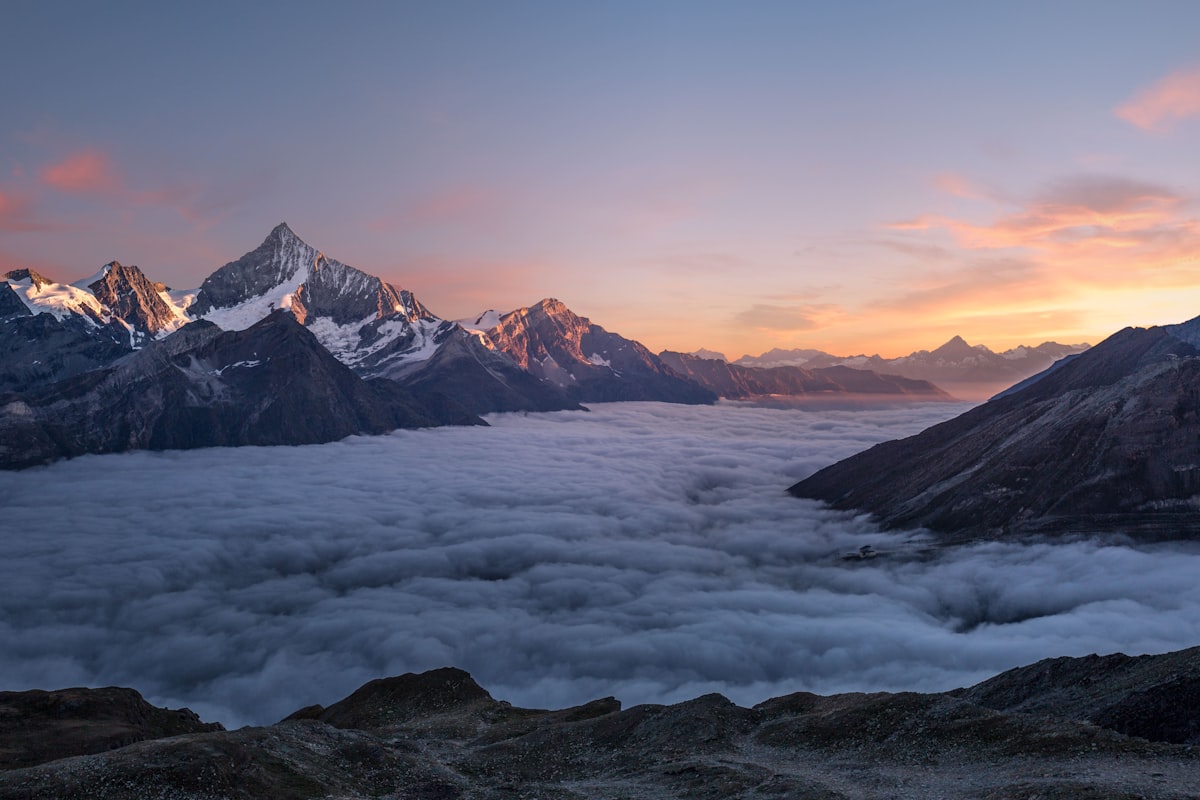
In Norway, Climate Goals Clash With Indigenous Herders’ Rights
In the heart of Northern Norway, where the pristine Arctic beauty of the Balsfjord kommune and Malangen Peninsula region prevails, a simmering conflict between climate goals and indigenous herders' rights is beginning to boil over. This issue, intrinsically tied to the region's unique cultural tapestry and environmental consciousness, has profound implications for local tourism, community livelihoods, and regional development.
For centuries, the indigenous Sami community has thrived in these Arctic territories, maintaining a symbiotic relationship with nature. Their traditional practices, including reindeer herding, have coexisted harmoniously with the environment. However, Norway's ambitious climate goals, aimed at preserving the Arctic's pristine beauty, have begun to infringe upon the Sami's ancestral rights. The government's push for renewable energy projects, particularly wind farms, threatens to displace the Sami herders and their reindeer, putting the community’s traditional way of life under siege.
This tension has sent ripples through the local tourism industry—a vital economic engine for the Balsfjord kommune and Malangen Peninsula region. Tourists from around the world are drawn to the region's breathtaking landscapes, but also to its rich cultural heritage. The Sami people and their traditional practices are an integral part of this cultural allure. A threat to the Sami's way of life is, therefore, a threat to the unique tourism proposition that the region offers.
Moreover, this clash reverberates through the local community, stirring concern about the sustainability of regional development. While there is widespread recognition of the importance of climate goals and renewable energy, there is an increasing call for these to be balanced with respect for indigenous rights. The issue has ignited a broader conversation about responsible tourism and sustainable development, prompting local stakeholders to reevaluate their strategies.
In navigating this complex issue, the Balsfjord kommune and Malangen Peninsula region face a delicate balancing act. The resolution of this clash could set a precedent not only for Norway but also for other Arctic territories grappling with similar conflicts. As the world watches on, the region's approach to preserving both its natural beauty and cultural heritage will undoubtedly shape its future, and that of Arctic tourism, in the years to come.